 Walking tests are common
Heart failure
Area 2 of 6
Peripheral artery disease studies, from the first step.
Narrowed arteries in the legs make walking hurt, and many studies in this area measure walking. Learn what the tests involve and how to ask for parking, seating and pacing that suit you.
Ankle and arm pressuresParking close to the door
What studies ask
What a peripheral artery disease study may ask of you.
Every study is different, and the consent form sets out exactly what one involves. These are the things that come up most often in this area.
- A walking testOn a treadmill or a corridor, noting when the leg pain begins.
- Ankle pressuresBlood pressure cuffs on the arms and ankles, lying down.
- An ultrasoundA scan of the leg arteries with a hand-held probe and gel.
- Exercise sessionsSome studies include supervised walking a few times a week.
- A walking diaryNotes on how far you walked and when you had to stop.
- Your medicinesA list of everything you take, including blood thinners.
Support to ask for
Support worth raising at the first call
- Parking
- A reserved space near the entrance, or a drop-off at the door
- Distance
- A wheelchair from the door to the test room if walking is hard
- Footwear
- Advice on shoes for a treadmill test before the day
- Exercise times
- Sessions at hours that fit work or caring for someone
- Travel
- Questions about help with the cost of getting there
Overview
About peripheral artery disease, and its research.
Peripheral artery disease, often called PAD, happens when the arteries that carry blood to the legs become narrowed. The usual sign is pain, cramping or heaviness in the calves or thighs when walking that eases after a short rest. Some people also have cold feet or sores that heal slowly.
Studies in this area look at supervised walking programs, medicines that protect the arteries, procedures that open a narrowed artery, and care for wounds on the feet and legs.
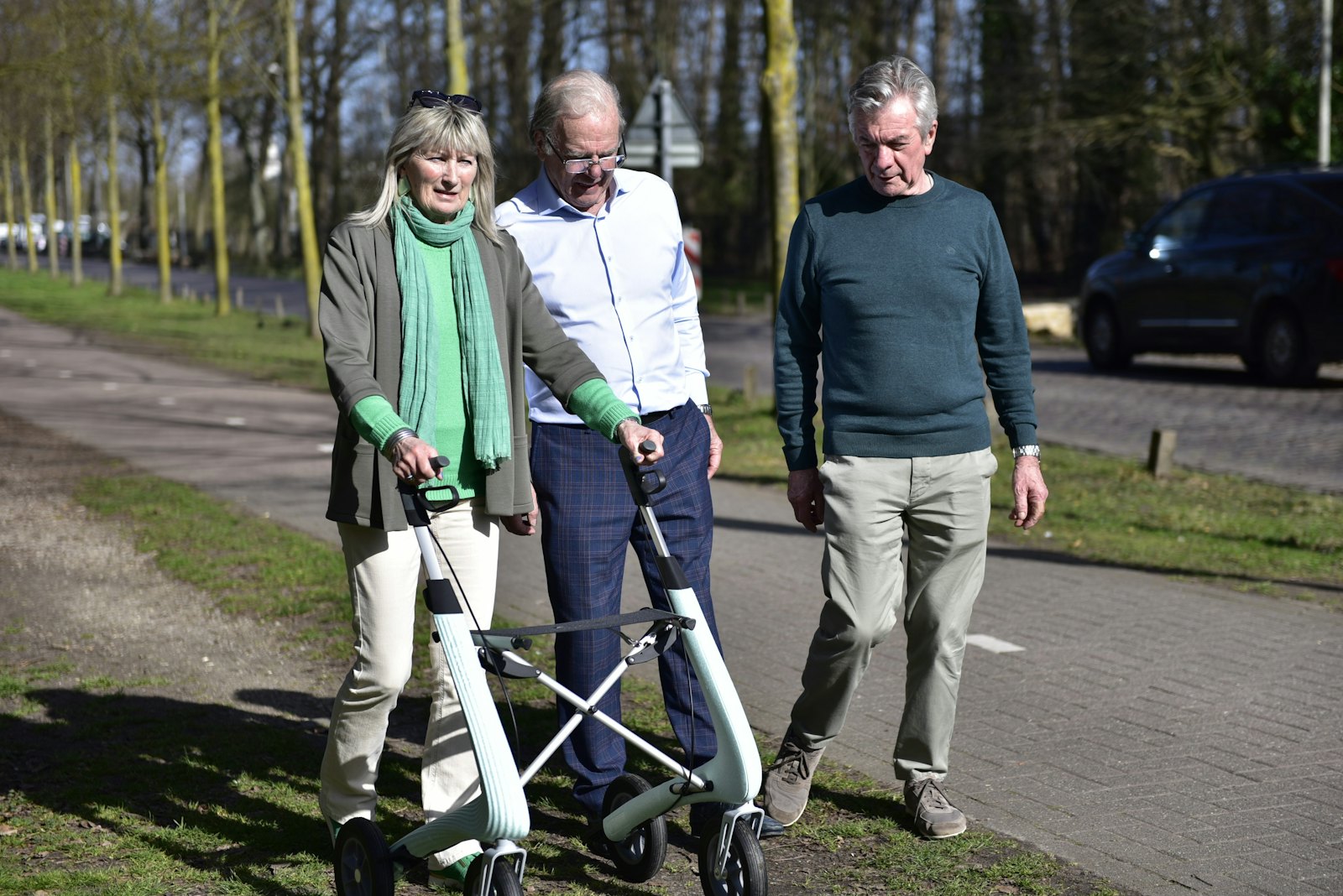
Parking close to the door
Rest stops are part of the testA walking test notes when pain starts, so stopping is expected
Words you may hear
Three terms that come up in this area.
Study teams try to explain things simply, but some words appear on almost every form. Here they are in plain English.
Claudication
Leg pain that comes on with walking and fades with rest. It is the symptom many PAD studies measure.
Ankle-brachial index
A comparison of blood pressure at the ankle and the arm. A lower ankle number suggests narrowing.
Revascularization
A procedure to restore blood flow through a narrowed or blocked artery.
Other areas
More areas Kingsley Med covers.
Each one follows the same pattern: the condition, what studies ask, and the support to request.
All research areas
Walking tests are common
Heart failure
 Scans and bleeding diaries
Uterine fibroids
 Breathing tests and imaging
Sarcoidosis
Peripheral artery disease questions
Peripheral artery disease, questions answered.
The questions people ask most about studies in this area.
Not on the list?
Our full FAQ covers support, texts and how Kingsley Med works.
Yes. Walking only a short way before pain starts is exactly what many PAD studies look at. The study team decides who can take part, and they need to hear about people at every stage.
You walk on a slow treadmill, sometimes with a gentle slope, and say when pain starts and when you need to stop. Staff stay beside you, and there are handrails to hold.
Yes. Many clinics keep wheelchairs at the entrance, and a study team can have one ready if you ask ahead. Using one between rooms does not affect a walking test later in the visit.
Comfortable, flat shoes you can walk in are usually all that is needed. Ask the team before the visit if you wear special footwear or have a wound on your foot.
Free, and easy to stop
Hear about peripheral artery disease research near you.
The sign-up form opens with this area already chosen. Add your ZIP code and Kingsley Med will be in touch occasionally about research close to it.
Get updatesYour details stay with Kingsley Med
Rather talk to a person?
Ask a question about anything on this site.
Monday to Friday, 9am - 5pm EST